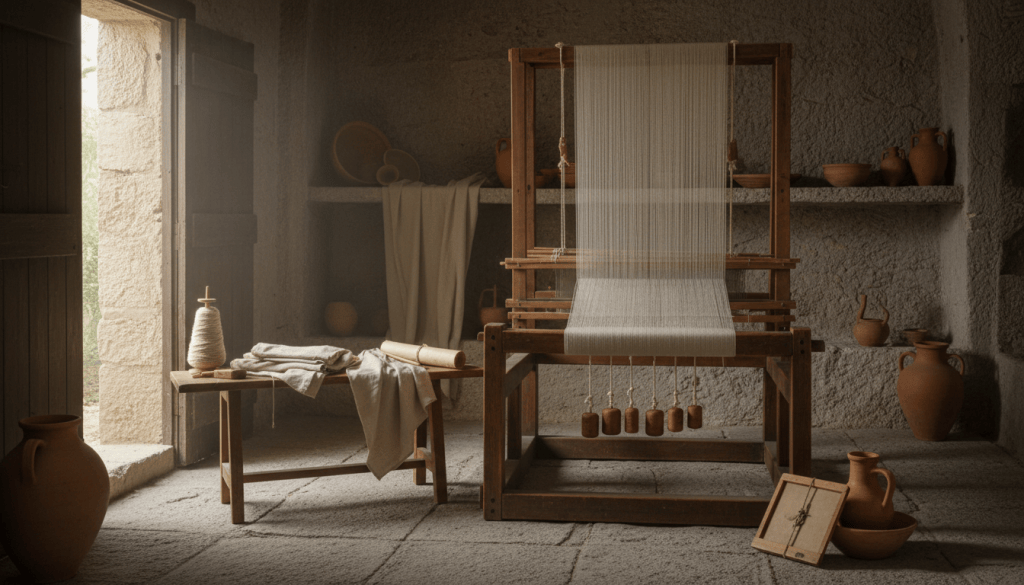
For women released from slavery in ancient Rome, legal freedom could open new possibilities without erasing old inequalities. Freedwomen worked, formed families, owned possessions and negotiated relationships with former owners. Yet their experiences differed dramatically according to wealth, status, legal procedure and patronage. Their stories resist a simplistic picture of freedom as complete independence.
What Was a Roman Freedwoman?
A freedwoman, or liberta, had previously been enslaved and was then manumitted. Roman legal language distinguished freed people from those born free. That distinction could carry consequences in social standing, marriage, inheritance and relations with a former owner.
There was no single typical freedwoman. Some had training in valuable crafts, established customers and savings; others faced poverty or remained dependent upon households where they had worked. Inscriptions and legal writings preserve only fragments of their experiences, often reflecting people with resources sufficient to create a record.
How Did Manumission Work?
Manumission was the act of freeing an enslaved person. Roman law recognized different procedures, and the effects could vary over time. Freedom might be granted during an owner’s lifetime or through directions in a will. Some forms created stronger legal recognition than others. The rules surrounding citizenship and status changed across Roman history, which makes broad claims about universal rights unreliable.
Documents, witnesses and the wording of agreements mattered. A disputed will might affect whether a person was recognized as free or what obligations survived a change of status. Historians should still be cautious: a written legal rule does not tell us exactly how every household behaved.
Could Freedwomen Own Property?
Freedwomen could possess assets and, under relevant legal arrangements, acquire property or engage in financial transactions. But Roman law was complex. Citizenship, guardianship, family relationships and claims linked to patronage could all affect how much practical control a particular woman exercised.
A woman’s resources might include clothing, jewelry, tools, earnings or an interest in commercial activity. Some freedwomen commissioned memorials or appeared in inscriptions associated with trade. Those examples demonstrate possibilities rather than guaranteeing similar prosperity for most women.
A question about a seemingly personal object could become legally difficult if several people claimed ownership or inheritance rights. Asking who paid for an item, who held it and which document described it could lead to different answers.
What Was Patronage?
After manumission, a freedwoman often remained linked to her former enslaver, who became her patron or patrona. Roman law and custom could impose expectations of respect or service, sometimes discussed through the term operae. The details of those obligations were not uniform and depended on the circumstances.
Patronage might offer contacts, customers or a measure of protection. It could also create opportunities for coercion and unequal negotiation. A former owner’s family might continue to exert pressure. The central distinction is between being legally free and being socially or economically independent.
This tension shaped Roman urban society. Relations between wealthy patrons and people who once depended on them could persist long after formal manumission.
What Jobs Did Freedwomen Perform?
Women who had been freed worked in various settings, including domestic labor, commerce, textile work and other crafts. The evidence is uneven; some occupations are known primarily through inscriptions, and much routine work went unrecorded.
Textiles offer an especially revealing example. Spinning, weaving, sewing, dyeing, mending and finishing required different skills and tools. Customers could care about cloth quality, measurements, patterns and deadlines. Work might take place in domestic contexts or commercial workshops, and employment arrangements could be complex.
A freedwoman craftsperson might build a reputation for reliability and maintain relationships with customers beyond the household of her former owner. But skilled labor alone did not guarantee protection from financial or social pressure.
Could Freedwomen Marry and Have Families?
Freedwomen formed families and raised children. Their ability to contract a legally recognized marriage depended on status and the rules in force. Restrictions associated with social rank complicated some unions. A child’s legal prospects might differ from the mother’s, making family security a major concern.
Funerary inscriptions can convey genuine attachment between freed people, spouses, children and former owners. Yet commemorative inscriptions are selective. They reveal how particular people wished to be remembered, not the complete range of relationships in Roman society.
Why Did Documents Matter So Much?
Status affected personal rights and opportunities. Consequently, wills, manumission arrangements, agreements and testimony could be consequential. A wax tablet or sealed document was not an infallible identity certificate: interpretation depended on procedures, witnesses and legal context.
One document might also be contested. Was it valid? Did it identify the right person? Had its terms been altered? Were claims supported by independent evidence? These questions help explain why Roman legal life was not merely about dramatic courtroom speeches but also about mundane records and everyday transactions.
Modern historians combine literary accounts, legal texts, archaeological finds and inscriptions. No single category provides a complete picture of women whose own voices often survive only indirectly.
Freedom and the Limits of Social Mobility
Rome’s economy and elite households depended heavily on enslaved labor. Manumission altered a particular person’s legal position without abolishing the broader system. Economic opportunities remained unequal, and women faced additional expectations tied to gender and family roles.
Some freedwomen acquired stability and influence. Others remained vulnerable to debt, inadequate earnings and demands from patrons. Both outcomes are part of the historical picture. It is inaccurate to romanticize every freedwoman as a prosperous entrepreneur, just as it is inaccurate to deny them all initiative.
Freedwomen in Historical Fiction
In Theo Penrose’s *The Veil at the Games*, Book Two of *The Vestal Mysteries*, the death of a fictional freedwoman seamstress, Fannia Eutychia, draws attention to questions about skill, property, reputation and private records. It is a non-graphic Roman mystery, not a documentary case study. The plot offers a way to think about why an apparently straightforward claim might carry conflicting meanings for different people.
Visit Theo Penrose’s author page for related fiction and our article about paper trails in historical mysteries. To understand the priesthood at the center of the series, read What Did Vestal Virgins Do in Ancient Rome? (now available to read).
The Essential Distinction
A Roman freedwoman was legally released from slavery, but her rights and choices were shaped by historically specific rules and continuing social relationships. Work, property and family could bring agency without ensuring security. Understanding these differences provides a fuller picture of the people who sustained ancient Roman life.
Read More from The Vestal Mysteries
Discover The Veil at the Games by Theo Penrose on Amazon, or enjoy the free reader bonus with two original stories. The fictional mysteries stand apart from the historical background discussed here.
Related reading: Why Vestal Privileges Did Not Mean Unlimited Power in Ancient Rome. Explore more books on the Theo Penrose author page.

